
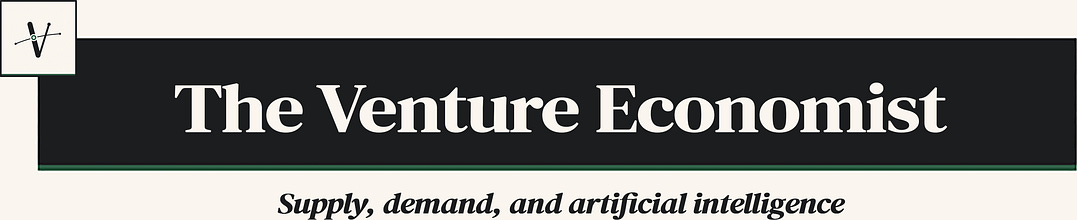

Twelve months ago, getting a piece of knowledge work complete meant finding a person to do it. Today it means choosing whether you can get it done without a person at all. That choice is new, it is barely a year old, and most managers have not yet priced in what it means.
The only substitute for intellectual labour used to be cheaper intellectual labour
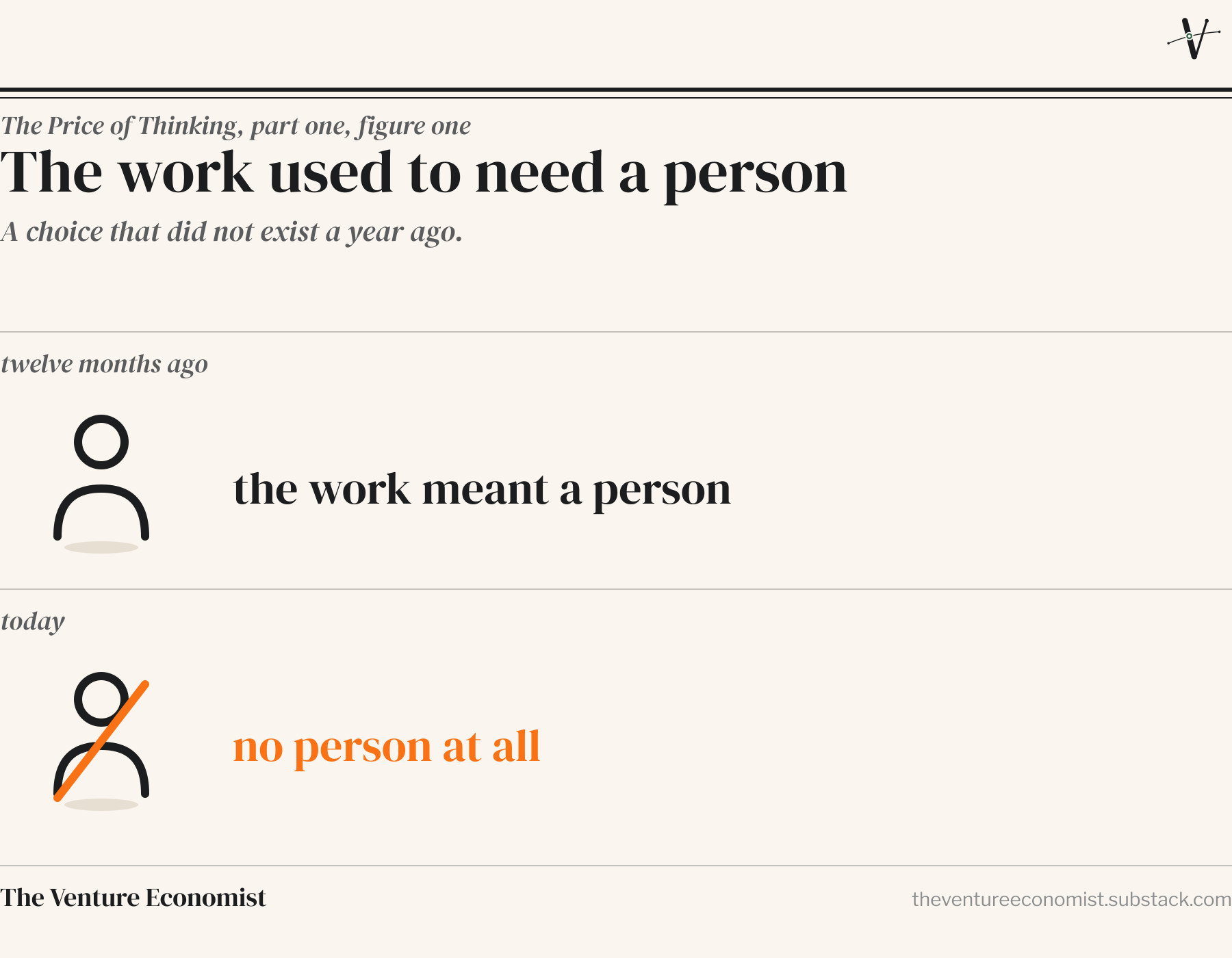
For most of the modern era, the sole substitute for expensive intellectual labour was the same labour bought somewhere cheaper. That is the entire logic of offshoring. When a task did not depend on physical presence or close relationships, it could be sent to a lower cost market, and for thirty years a great deal of it was. The substitute for a worker was always another worker.
That is the assumption the last year has broken. The substitute is no longer a cheaper person. For a large class of tasks, the ones that are not built on trust, judgement, or a relationship, the question is no longer where you find the cheapest human. It is whether the task needs a human at all. Work that is being shipped offshore right now may be solving last decade’s problem with last decade’s tool.
Why an option changes a market before anyone uses it
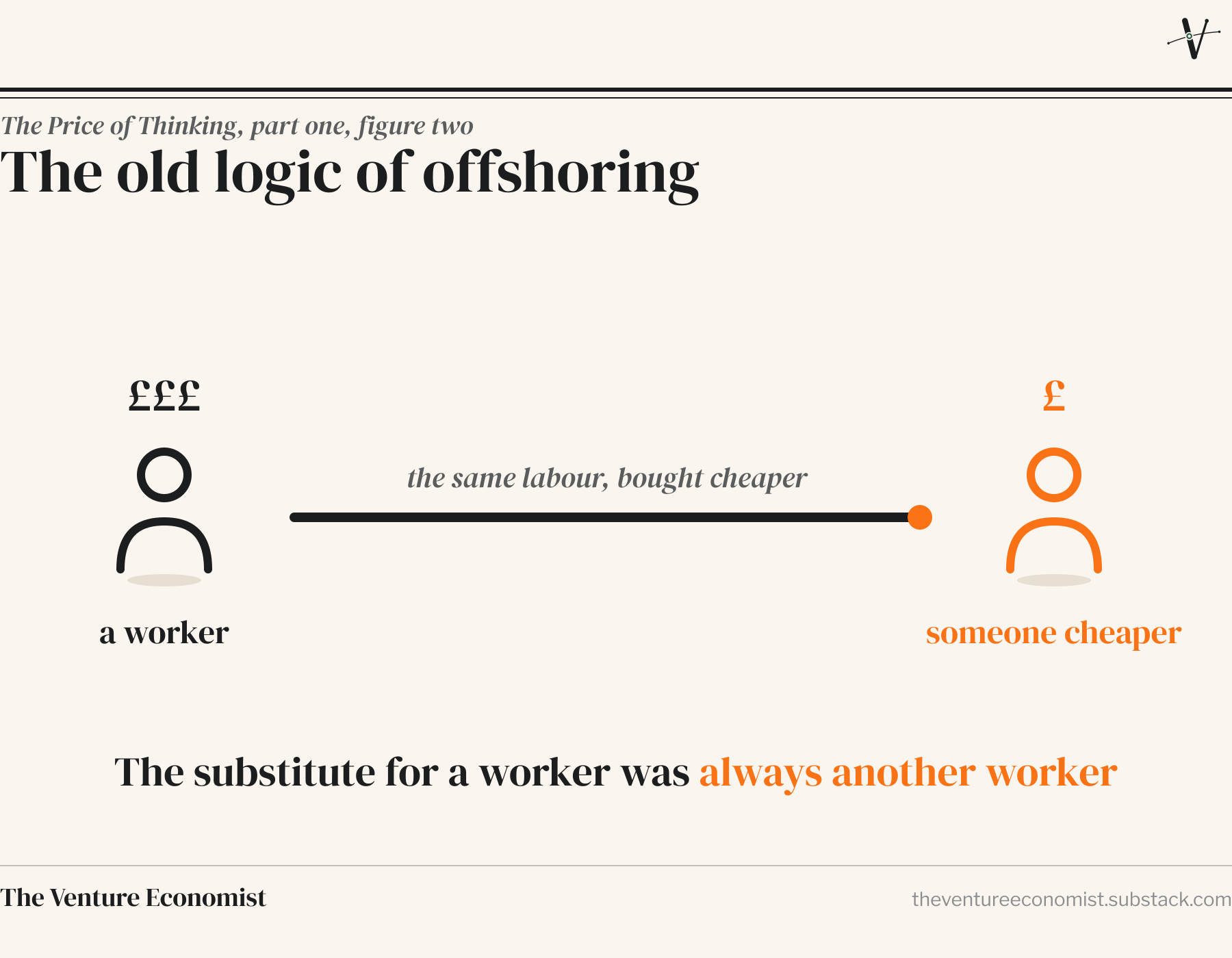
Optionality has a value of its own in economics, separate from whether the option is ever exercised. The moment a buyer gains a credible alternative, their behaviour changes, because every decision is now measured against the thing they could do instead. The alternative does not have to be chosen to matter, it only has to be available.
This is the big event of the last year, perhaps the century.
As a founder, an owner, or a manager, you are now a buyer of intellectual labour with two suppliers instead of one. You can hand a task to a person, or you can do it with an AI agent, a skill, an MCP, or an API. This new second option did not meaningfully exist even twelve months ago. But it does now. If you are still making resourcing decisions on the assumption that intelligent work means a person, you are working from thinking that is already out of date.
Is this a bubble, or a structural change?
If there is one thing to take from this, it is that the ground has moved further than the headlines suggest. This is no longer the territory of crypto promoters who pivoted to AI overnight. The change is structural, and it sits in the resourcing decisions you are making this quarter.
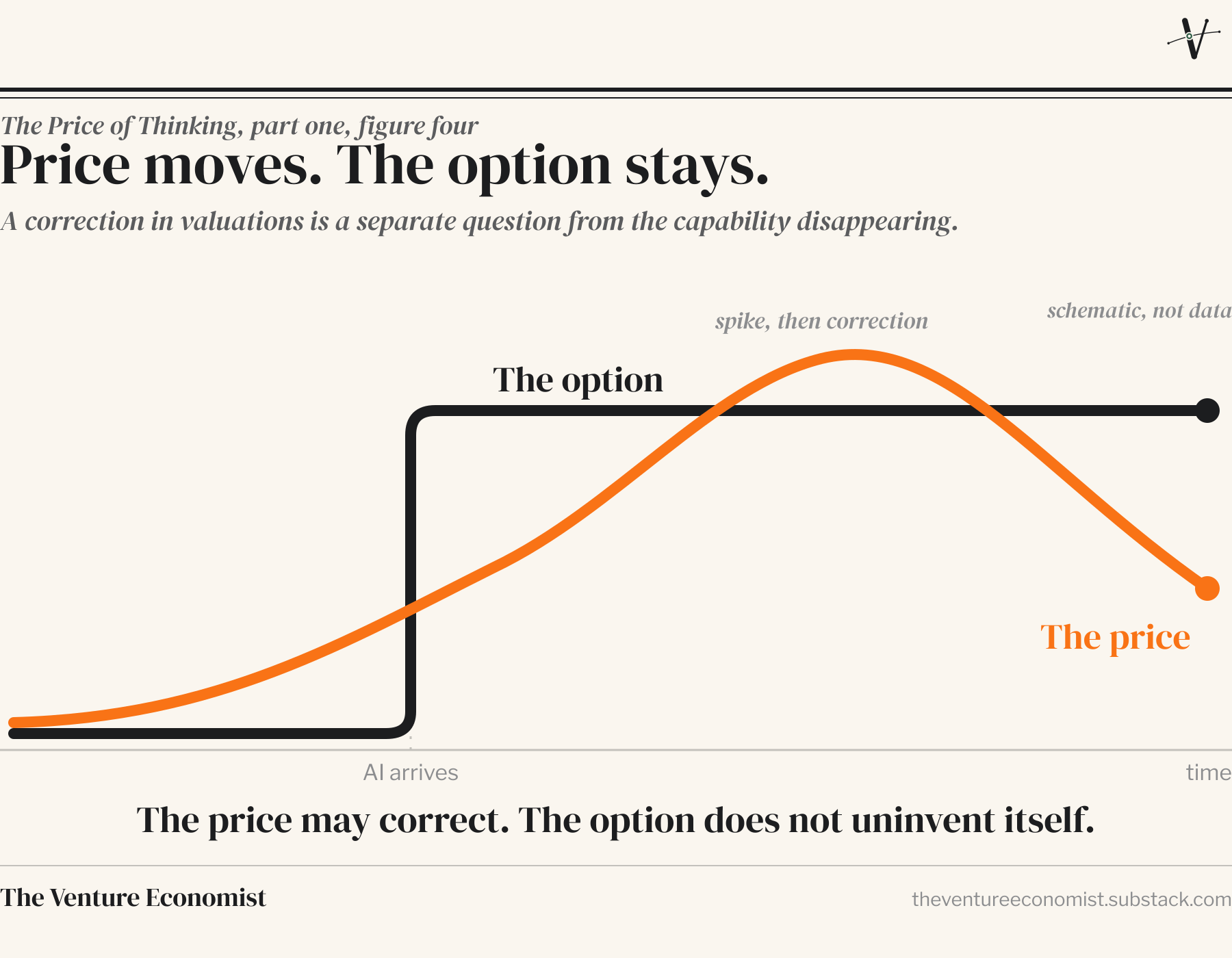
The obvious objection is that this is a bubble. In market terms, that may prove true. We are still working out not only what intelligence is worth, but what the infrastructure behind it costs. The technology is developing so rapidly, and so experimentally, that the price will stay unpredictable for some time.
However, a bubble in the price is a separate question from a fad in the technology. Valuations can fall without the option disappearing, because a capability this revolutionary can never be shelved. It will take many forms, but the option is here to stay.
The way intellectual work gets priced has fundamentally changed, and it will never change back.